How to Minimize Disruptions During Educational Facility 3D Laser Scanning

How to Minimize Disruptions During Educational Facility 3D Laser Scanning

Introduction to 3D Laser Scanning in Educational Facilities

3D laser scanning is gaining traction in schools, universities, and research buildings, especially during renovation or expansion. The big draw is accuracy. Many of these buildings are decades old, and their floor plans are often outdated or incomplete. Scanning creates a precise digital record of the space, which helps when upgrading HVAC, electrical systems, or meeting ADA requirements. In Dallas, teams use scanning before major construction to capture existing conditions. For teams that rely on exact measurements Dallas 3D scanning for construction delivers high-precision models that help reduce errors and streamline project workflows.. Facility managers and architects rely on the data to avoid surprises behind walls or above ceilings. Let’s break it down. Before removing a lab wall in a university science building, a scan can uncover hidden utilities or structural supports that aren’t on current drawings. That saves time and cuts the risk of costly changes during construction. The process uses tripod-mounted LiDAR scanners to gather millions of data points inside and outside the building. The data forms a point cloud, then gets turned into 2D drawings or 3D models, depending on the project. It also helps with routine maintenance planning—not just big upgrades. Here is why timing matters. Relying on old blueprints often leads to mistakes. They rarely reflect decades of changes. Scanning during peak school hours can also cause problems. It’s smarter to schedule scans during breaks, weekends, or evenings when the buildings are quiet.

Why Minimizing Disruptions Matters

When scanning a school in Dallas, avoiding disruption is a must. These buildings run on tight schedules and strict safety rules. If 3D laser scanning interrupts classes or creates hazards, it can stall both the scan and the larger project. That slows everyone down. The scanning doesn’t damage anything, but it still needs access to classrooms, hallways, and mechanical spaces. If done during busy hours, it can interrupt lessons or block movement. That’s why teams often scan during evenings, weekends, or school breaks. Some also work with administrators to avoid class times or testing. The aim is to get accurate data without causing problems. Safety matters too. Laser scanners need a clear view, so crews set up tripods, cables, and gear in busy areas. If no one knows it’s there, someone could get hurt. Clear signs, barriers, and good communication with staff help prevent that. Rushing a scan to avoid disruption can hurt data quality. Missed spots or poor alignment lead to delays when teams find gaps later. It’s better to plan ahead and get it right the first time. Bottom line: avoiding disruption keeps people safe, keeps school running, and gets the data right.

Core Challenges When Scanning Active Educational Spaces

Foot Traffic

Busy hallways during class changes make 3D laser scanning tough. Scanners need clear views to collect accurate data, and constant movement can distort results. Scanning during off-hours—early mornings, evenings, or weekends—helps. Sometimes, signs or staff are needed to redirect people. Skipping this step leads to reshoots, wasting time and money.

Access Restrictions

Some areas in schools are locked or off-limits without clearance, like mechanical rooms or offices. Without access, scanners miss parts of the building. Work with facility managers ahead of time to get keys, permissions, and escorts. Handle these details before scan day to avoid delays.

Privacy Concerns

Scanning in active schools raises privacy issues. Even if scanners don’t show faces clearly, it’s best to avoid capturing people. Some schools require consent forms or notice to staff and families. In sensitive cases, scan when the building is empty. Skipping this step can cause legal trouble or hold up the project.

Time Constraints

Schools often allow scanning only during breaks or weekends. These windows are short, so teams must plan ahead—routes, batteries, and gear should be ready. If the schedule slips, it can delay renovations or disrupt classes. Lost time during scanning is hard to make up later.

Environmental Noise

Schools can be noisy. While scanners don’t use sound, noise still affects teamwork. It makes it harder to give instructions or stay safe. On large campuses, radios or hand signals help. Loud HVAC systems can also cause vibrations that affect scan quality. Fixing these small issues early saves time later.

Pre-Planning Strategies for Minimal Disruption

When scanning a school, timing matters. The equipment captures accurate data, but poor scheduling causes problems. The best time to scan is after hours, on weekends, or during breaks. Summer is ideal, but winter and spring breaks work if time is tight.

Walk through the site in advance. Keep it simple but thorough. Show the scanning team where to go—mechanical rooms, classrooms, hallways, rooftops. Flag any areas with limited access or ongoing use so you can plan around them.

Before anything starts, coordinate with facility managers, school staff, and maintenance crews. Everyone should know when scanning will happen and which areas will be accessed. Miscommunication can lead to locked rooms, interrupted scans, or worse—disrupted classes.

Set scan priorities early. If the architect only needs data from the west wing or mechanical spaces, don’t scan the whole building. Focus on what’s needed now. This approach saves time and avoids rework later.

Skipping these steps causes delays. The scanning is quick and accurate, but poor planning or missed areas can derail the renovation. In Dallas, where schools often upgrade in phases, this prep work keeps things moving and limits disruption.
How to Minimize Disruptions During Educational Facility 3D Laser Scanning

Communication Best Practices With Faculty and Staff

Before scanning begins, talk early with school administrators, maintenance leads, and key teaching staff. You don’t want to arrive with a laser scanner and find out there’s testing or a fire drill. In Dallas, many campuses stay busy year-round, so scheduling can be tight. Check the school calendar, learn the daily building use, and confirm access times in writing.

Administrators need to know what areas you’ll scan, how long it will take, and what kind of noise or disruption to expect. While 3D laser scanning is quiet and uses minimal gear, it still involves tripods, cables, and people moving through rooms. Maintenance teams should know the plan since they control access and can clear spaces ahead of time. If janitorial or security staff aren’t informed, your crew might get locked out.

For classrooms, labs, or libraries, talk to department heads or teachers ahead of time. Let them know what’s happening and when. They can plan around it or help clear the space. Skip this, and you risk delays or missed scans—especially in buildings with limited access hours.

Clear communication prevents surprises. It also builds trust, which helps when scanning active schools. A one-page overview with dates, times, and contact info works well. Send it a week before, then follow up the day before scanning. Keep it simple, but don’t skip it.

Use Quiet, Compact Scanning Tools

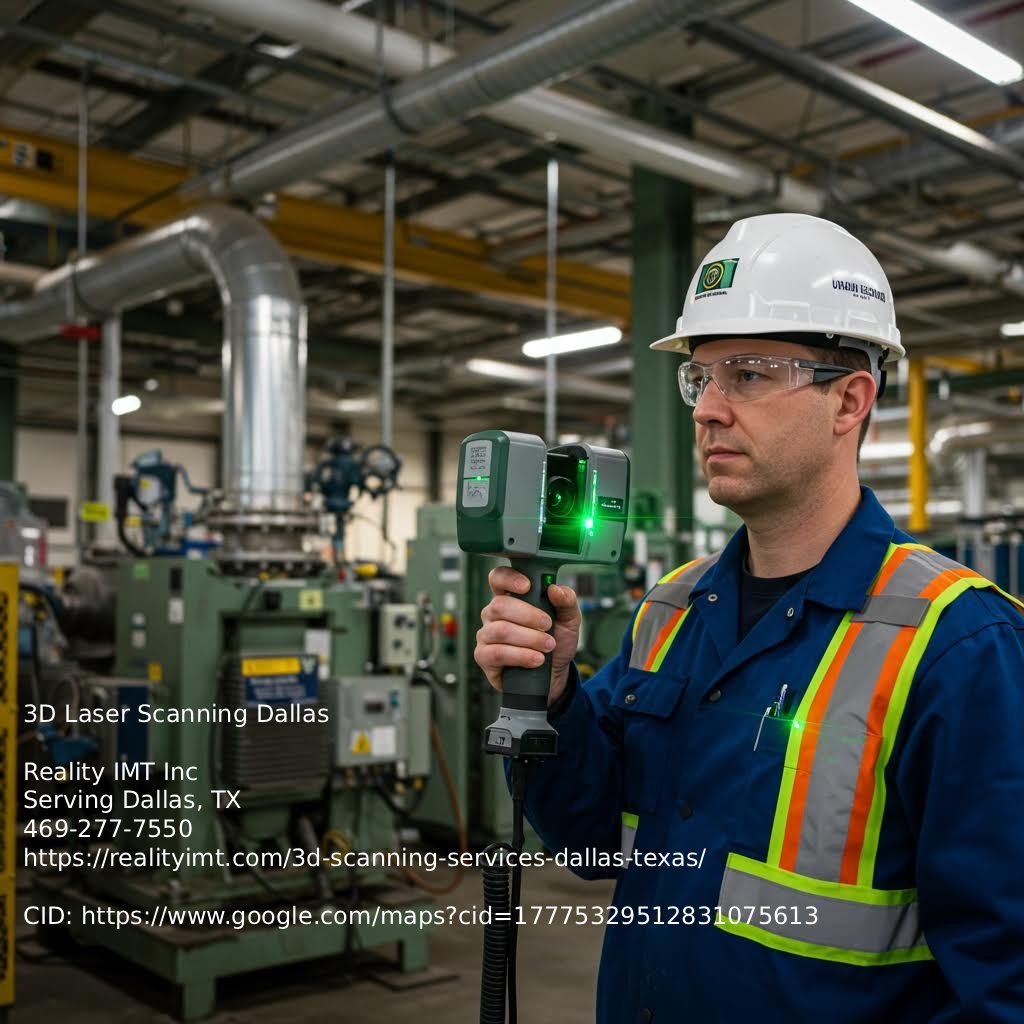
In busy schools, scanning buildings without causing a scene matters. Classes are in session. Labs are active. Loud or bulky gear disrupts learning. That’s why small, quiet 3D laser scanners work well in schools and training centers. Scanners like the Leica RTC360 or FARO Focus fit in a backpack and set up in under two minutes. They run quietly, with no noisy motors or moving parts. This lets teams scan buildings without drawing attention or needing extra staff. A classroom or hallway scan takes less than five minutes. For larger spaces like gymnasiums or multi-story halls, teams can scan during breaks or off-hours. Even during the day, the low-profile gear blends in. The result is a point cloud that shows building structure, MEP systems, and layouts. Architects and engineers use that data for renovations, ADA work, or HVAC planning. Waiting for empty buildings slows things down. Fast, quiet tools keep projects moving. It’s safer too. No ladders. No opening walls. Everything gets scanned from the ground. That means fewer risks and more time for facilities teams to handle their usual work.

Case Study: Scanning a K–12 Campus Over a Weekend

In a recent project, a K–12 school near Dallas needed a full interior and exterior scan to support renovation plans. The catch: the work had to happen without disrupting classes, staff routines, or after-school programs. That’s common. Schools can’t pause operations, and administrators prefer to avoid unfamiliar gear and crews during the week. The team scheduled the scan for a weekend. They arrived late Friday after students left. They had already reviewed building plans and worked with the district’s facilities manager, so they knew where to begin. Using tripod-mounted LiDAR scanners, they captured data from classrooms, hallways, gyms, utility areas, and exterior walls. Let’s break it down. The team scanned over 150,000 square feet in two days. They didn’t move a single classroom item. Teachers didn’t adjust anything. Custodial staff kept their regular schedule. The site looked untouched by Monday morning. The team turned the point cloud data into a 3D model accurate to the millimeter. The architect now uses it to plan HVAC changes and adjust interior layouts for better flow. Without that precision, they would rely on old drawings and tape measures. That often leads to mistakes and last-minute fixes. This time, they avoided all of that.

Processing, Cleanup & Delivery Without Lag Time

One big concern during 3D laser scanning in active schools is how fast the data gets processed and delivered. Architects and engineers on tight renovation schedules can’t wait days or weeks for usable models. The faster the data becomes accurate floor plans, BIM models, or point clouds, the sooner teams can start work. In Dallas, many schools are upgrading or adding new wings. Scanning often happens during short windows—weekends, breaks, or after hours. Delays after scanning aren’t an option. Teams need clean, registered point clouds and usable files fast. Slow processing can delay permits, bidding, or construction. Here is why cloud access helps. Instead of waiting for a hard drive or email, project teams can log in and view scans from anywhere. That’s helpful when multiple firms work together—like an architect in Dallas, a structural engineer in Austin, and a MEP designer in Houston. Everyone sees the same files and stays on the same page. Delays can also cause rework. If modeling starts with incomplete data, teams might miss structural elements or HVAC issues. That’s costly to fix later. Fast, accurate processing helps avoid those problems. It gives people the right data at the right time so they can make smart decisions.

Integration with BIM, CAD, and FM Systems

Once the 3D laser scanning is done, the real benefit begins: the data is ready for structural engineers, MEP modelers, and facility managers. No re-measuring. No guessing what’s behind a wall. The point cloud converts into accurate BIM or CAD models, depending on what the team needs. Structural engineers can analyze load-bearing elements without extra site visits. MEP teams can lay out ductwork, electrical, and plumbing with exact clearance data from the start. Let’s break it down. In older Dallas schools, documentation is often missing or outdated. That’s a problem when adding HVAC systems or reworking classrooms. A clean 3D scan shows ceiling heights, wall thickness, and more. No surprises during construction. No delays from missed measurements. Facility managers use the scan data long after the renovation. It connects to FM systems and serves as an as-built reference for maintenance or upgrades. If a pipe bursts years later, they’ll know where shutoff valves are—no guesswork or wall damage. Here is why this matters. Some treat scans as only a preconstruction tool. That’s a mistake. The real value comes from using the data across design, coordination, and operations. When everyone—from architects to maintenance staff—works from the same accurate model, decisions are faster and errors drop. That keeps rework and disruptions low.

Regulatory, Privacy, and Safety Compliance

When scanning a school, data privacy and student safety come first. Start with FERPA. The Family Educational Rights and Privacy Act limits what student information can be recorded or shared. During 3D laser scanning, operators must avoid capturing anything that identifies students—faces, locker names, class rosters, and more. It’s not just a good idea; it’s the law. Here is why timing matters. Schedule scans during off-hours when possible. Early mornings, weekends, or school breaks work best. If students are present, block off sections of the building. Use signs, barriers, and clear communication with staff to avoid issues. Let’s talk safety. Tripods, cables, and scanners can block hallways. Technicians must know how to work in busy spaces—especially schools, where movement is hard to predict. Simple steps like securing cables and using spotters help prevent accidents. Also, schools in Dallas often have strict visitor rules. Scanning teams need approval, badges, and a briefing on emergency plans. Fire drills, lockdowns, and daily routines affect how long scanning takes and which areas are open. Next steps: Decide what data you really need. Scanning too much adds to storage and slows processing. It can also capture things you don’t want. Talk with architects, facility managers, and IT staff before starting. That helps avoid deleting sensitive data or redoing scans later.

Choosing the Right 3D Laser Scanning Partner in Dallas

When you bring 3D laser scanning into a school, college, or university, your choice of provider matters. Not every scanning company can handle the specific needs of these settings. You need someone with experience—someone who can work around class schedules, avoid disrupting staff and students, and still collect accurate data for renovation or expansion. Start by asking about their work with schools. Have they scanned K-12 buildings? Libraries? Dorms? Lecture halls? Each space has different access rules. The team should know how to coordinate with facility managers to avoid busy times or test days. A provider with school experience will already plan for that. Next, check their equipment. Do they use current terrestrial laser scanners like FARO or Leica? Have they delivered accurate point clouds and Revit models before? Small errors in scanning can throw off design work, especially for MEP planning or ADA upgrades. Also, ask how they reduce disruption. Do they scan after hours or on weekends? Can they break up sessions to keep crews smaller? Some teams set up scanning zones to keep students out of work areas. Choose the right team early. It helps you avoid delays and keeps the project smooth.

FAQs: Educational Facility Laser Scanning

When scanning a school or university building that's still in use, timing matters. Most crews prefer early mornings, evenings, weekends, or school breaks like spring or summer. Fewer people in the hallways means cleaner scan data. Movement adds noise, which takes time to fix and can affect accuracy.

People often ask how long it takes. For one building, scanning usually takes a day or two, depending on size and layout. The full process—from scanning to finished models—can take a few days to a couple of weeks. It depends on what the team needs. Architects may want a floor plan, while engineers may need detailed Revit models. Clear goals help avoid delays.

Another thing to think about is access. Scanners are quiet and don’t touch anything, but the crew still needs to get into classrooms, offices, and utility areas. Someone has to arrange access in advance, or the schedule slips.

If you scan during busy hours without a plan, you risk missing data. That means more visits, higher costs, and wasted time. In Dallas, where school buildings stay busy, that’s a real issue. The fix? Plan ahead, talk to the right people, and make time for the work.

Ready to Scan Your Campus with Zero Hassle?

3D laser scanning for schools and universities in Dallas works best during off-hours—nights, weekends, or breaks. Scanning teams need full access to classrooms, hallways, and mechanical rooms. If the building is busy, the process slows down. People walking through scan zones can cause delays or affect the results.

Planning renovations or repurposing space? You’ll need accurate as-built documentation. A laser scan gives your design team a digital model with millimeter accuracy. That helps avoid surprises during construction. But timing is key. You don’t want technicians arriving during finals or mid-semester. Here is why planning ahead matters.

If you manage a school or lead a campus project, contact us before setting a schedule. We’ll help you find a scan window that fits your academic calendar. A quick call can also confirm which areas need scanning and how long it will take. Some buildings take a day. Larger campuses may need phased work over a few weekends.

We work with schools across Dallas and know how to keep things smooth. Reach out for a quote or to book a consultation. The sooner we talk, the easier it is to get accurate data without disrupting daily routines.